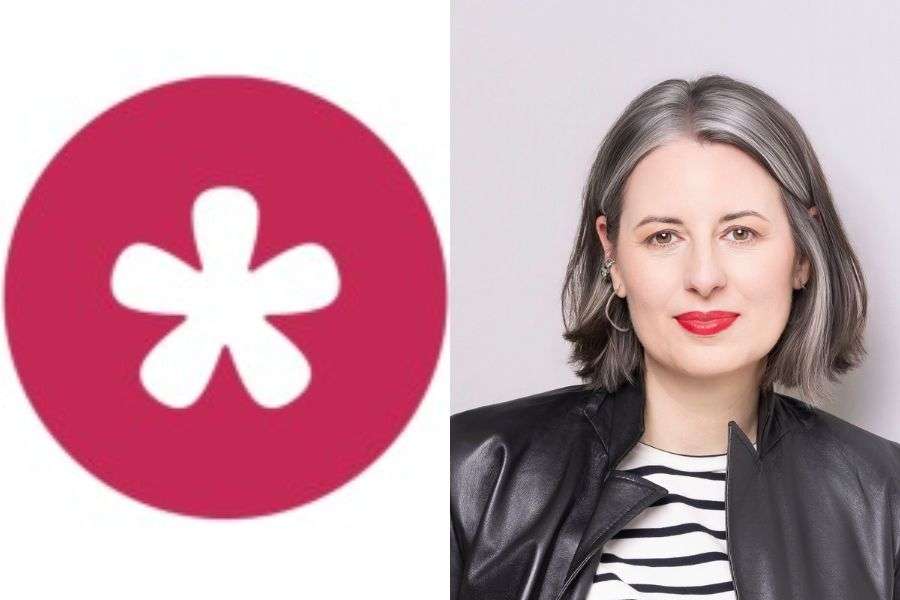
Verónica Buide, Founder of Pulpa Rights, explores what happens behind the scenes when two IPs meet.
When two established IPs meet in a single product, the creative idea is often the easy part: the real challenge lies behind the scenes, where two licensing architectures, two sets of brand guidelines and two approval processes must converge into a single operating model without losing the identity of either brand. For licensors and licensees, the collaboration means making rights negotiated separately work together, with different conditions, timelines and responsibilities.
Verónica Buide, this initial lack of alignment is one of the most frequent risks:
When two characters or IPs appear in a co-branded product, and both belong to different companies, the main risk is that the two license contracts are usually negotiated independently, so nothing guarantees they actually line up: same territory, same duration, same product categories. Mismatched terms between the two licenses are the single most common hidden problem.
Before development even begins, the two licenses need to be effectively compatible, with the scope of any exclusivity clearly established, particularly when the project is conceived as a capsule or one-off collaboration rather than as an ongoing line.
Project management also matters here: with two IP owners involved, information and approvals can proceed along separate tracks, so a single coordinator helps keep the product compliant with both brands’ guidelines – especially at approval stage, since each IP owner retains the right to approve how its own character is represented.
It’s a natural step that can become problematic when the two processes follow different timelines – two weeks for one brand, a month for the other, directly affecting production and launch dates – or when brand guidelines conflict, for example when one IP restricts how its character can interact or overlap with another.
This is why a collaboration should enter development with a shared visual language already in place: a style guide agreed by both brand owners before creative work begins establishes how the characters can interact, and which visual combinations are permitted – addressing in advance many issues that would otherwise surface only during approval.
The same approach applies to the approval process contractually: identifying each stage of the project (concept, final artwork, packaging, samples, marketing materials) and defining responsibilities and timelines for each.

But what happens if one of the underlying licenses expires while the collaboration is still on the market? Buide argues this should be addressed at the contractual stage, establishing whether the product should be withdrawn, within what timeframe and under what circumstances.
Even final approval doesn’t necessarily put the project beyond the need for further checks, as Buide observes: “A product can be fully licensed on both sides and still cause a problem because a detail changed after approval” – a color variation, a packaging adaptation for a new market or an apparently minor change may introduce elements that differ from those already authorized, making a new sign-off necessary. It’s therefore important to define from the outset which changes require an additional approval step, to avoid friction or delays later.
Some collaborations already on the market show why this matters: Veronica Buide cites Hello Kitty x DC Comics as an example, a collaboration that brought Sanrio’s character into the DC universe across several product categories, reinterpreting it as Wonder Woman, Superman and Batman. When the concept was expanded in 2018 with the Super-Villains line, Warner Bros Consumer Products presented the collaboration’s dedicated character style guide to licensees at Licensing Expo for EMEA distribution, bringing the representation of the two universes within a clearly defined visual framework.
Different in nature, but equally interesting, is Pokémon x Van Gogh Museum, pairing a commercial IP owner with a cultural institution: different organizational cultures that made a shared framework essential.
Ultimately, the real challenge is creating from the outset the conditions for two IPs to coexist within a single project without their rules becoming an obstacle: a balance between rights, approvals and brand identities that lets a creative encounter reach the market.
About the Expert
Verónica Buide is an IP strategist, lawyer and business affairs executive specialized in cross-media adaptation, international rights structuring and animation at Pulpa Rights, boutique IP strategy consultancy operating across Spain and Latin America she founded in 2023.
With over twenty years in the industry, she has also worked as an executive producer and licensing director on animation IPs including Pocoyó, Jelly Jamm, Gormiti and Wawies, and is a regular speaker and IP law lecturer across Europe and Latin America.