


Exclusive preview of the summer issue of Licensing Magazine, launching at the Las Vegas Licensing Expo (May 20-22).
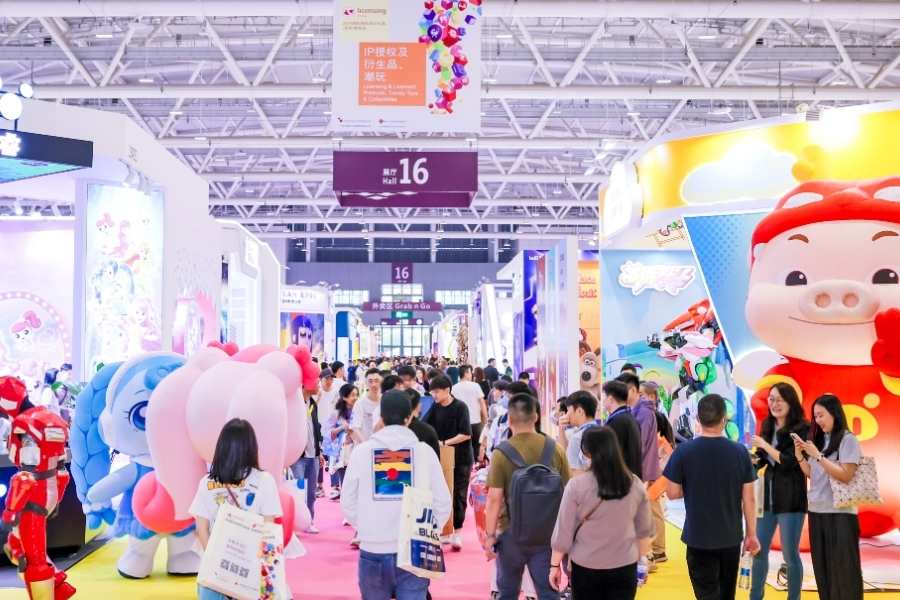
In the thriving context of Licensing China 2025 (7-9 April 2025, Shenzhen), Licensing International unveiled a compelling report exploring the emerging trends that will define Asian consumer markets in the coming year.
As 2025 unfolds, the Asian consumer market is evolving rapidly, shaped by the expanding middle class, the growing influence of Generation Z, and a cultural shift toward experience-driven consumption. Against economic uncertainty, consumers are becoming more nuanced, looking for personalization, health-conscious living, and culturally resonant products.
At the last China Licensing, Tani Wong, Representative of Licensing International in Greater China and Southeast Asia, shared some data and insights from the latest survey led by the global association, which help to understand the deep changes of consumers’ trends in Asia, with a focus on the Chinese Market.
Transformative Social Dynamics

The Middle Class in China continues to grow at an impressive rate, unlocking new levels of purchasing power. Alongside this, Generation Z is asserting itself as a key demographic force and the main consumer of licensed products. Digitally native and socially conscious, these younger consumers are redefining expectations on brand engagement, product personalization, and emotional resonance.
In 2025, spending patterns are becoming more deliberate and thoughtful. 59% of consumers prefer to invest in experiences rather than physical goods, favoring emotional connection and self-expression over material accumulation. However, this shift does not imply a disregard for value-price sensitivity, with many consumers prioritizing quality at a fair price, particularly in conventional retail environments.
Health, Personalization, and Emotional Engagement
One of the most prominent trends is the rising focus on health and personal well-being. Healthcare, beauty, and personal care products are experiencing continued growth. Gen Z, in particular, is embracing a digital-first approach to wellness, with 32% of GenZ consumers already using fitness and health-tracking apps as part of their daily routines. This trend reflects a broader emphasis on self-care, where consumers seek products that support health and align with their lifestyle goals – with a consequent increase in the demand for healthcare and beauty products, as well as fitness tools, expected for 2025 (Rif. Euromonitor).
Alongside health consciousness, 51% of consumers also favor emotionally fulfilling and highly personalized products. Consumers are no longer satisfied with generic offerings – instead, they seek items that reflect their identity, values, and aspirations. Brands that respond with creativity, unique packaging, and tailored experiences are more likely to capture loyalty and long-term engagement.
Brand Transparency and Sustainability
The growing expectation for transparency and ethical conduct is another key aspect of this evolving landscape. 52% of consumers actively seek brands that demonstrate genuine commitments to sustainability, ethical sourcing, and social responsibility. This heightened awareness is driving the need for improved visibility within supply chains and greater openness in communication. Transparency is no longer optional; it has become a fundamental aspect of building consumer trust.
Regarding consumers’ habits, high prices alone are no longer a reliable indicator of perceived value; they may even deter consumers unless accompanied by meaningful innovation and trust. Euromonitor data show that 65% of consumers favor affordable goods and services, as well as larger packages, preferring purchases in stores and retail outlets with discounts (as Walmart), thus pursuing price-quality balance.



Cultural Licensing and Identity in China
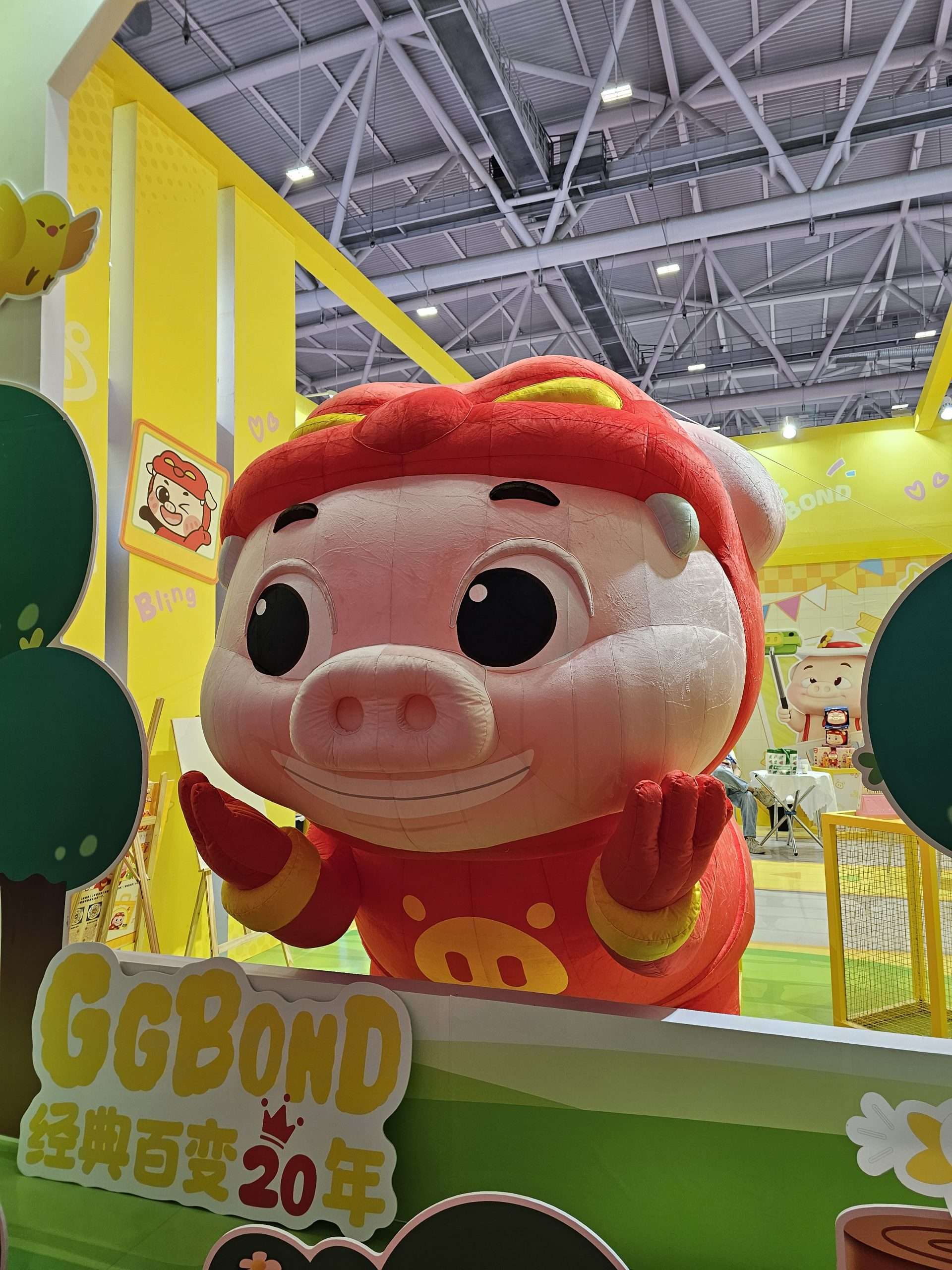
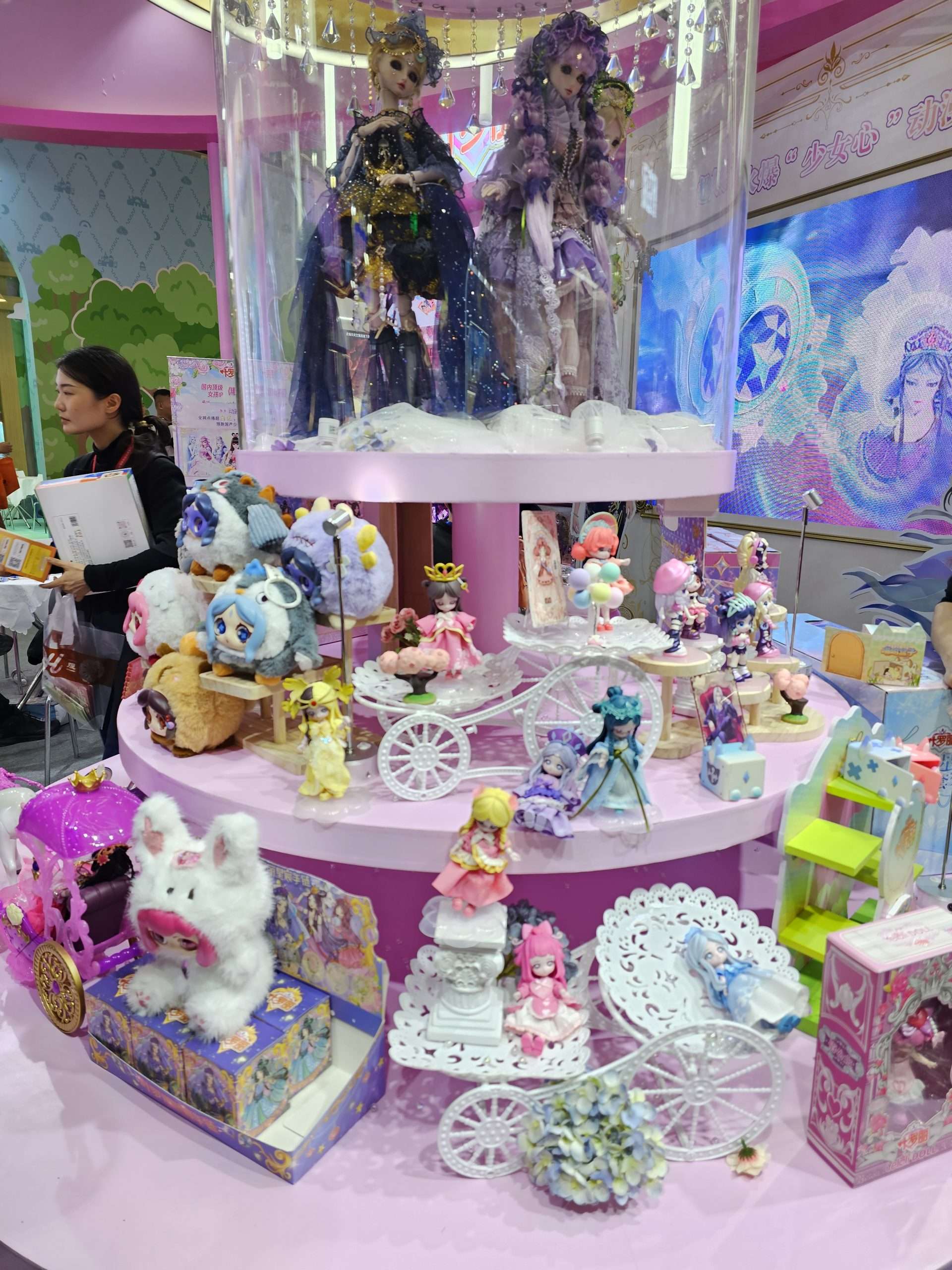
Chinese licensing trends reflect a deepening connection to both global and local culture. While international intellectual properties (IPs) continue to be popular, there is a movement toward adapting and localizing them to fit Chinese cultural contexts.
At the same time, domestic IPs grounded in traditional Chinese culture are gaining popularity, not only within the country but increasingly abroad – a unique opportunity for Chinese brands to export culturally rich content and expand their influence on the global stage, and for international IP to find new localization openings.
Economic Complexities and Market Adaptation
 Despite these exciting developments, the broader economic context remains complex. Geopolitical tensions continue to disrupt supply chains, and fluctuating tariffs determine unpredictability in pricing and trade. Emerging markets in the region are facing rising inflation, with forecasts indicating rates as high as 5,5% in some areas. High interest rates increase operational costs, compelling companies to rethink their strategies and adopt more resilient, adaptive approaches.
In this environment, success will depend on a brand’s ability to remain agile, grounded in creativity, and deeply connected to the evolving values of its consumers. Businesses must balance cost-efficiency with emotional relevance, prioritizing authenticity, transparency, and cultural resonance over traditional market tactics.


